
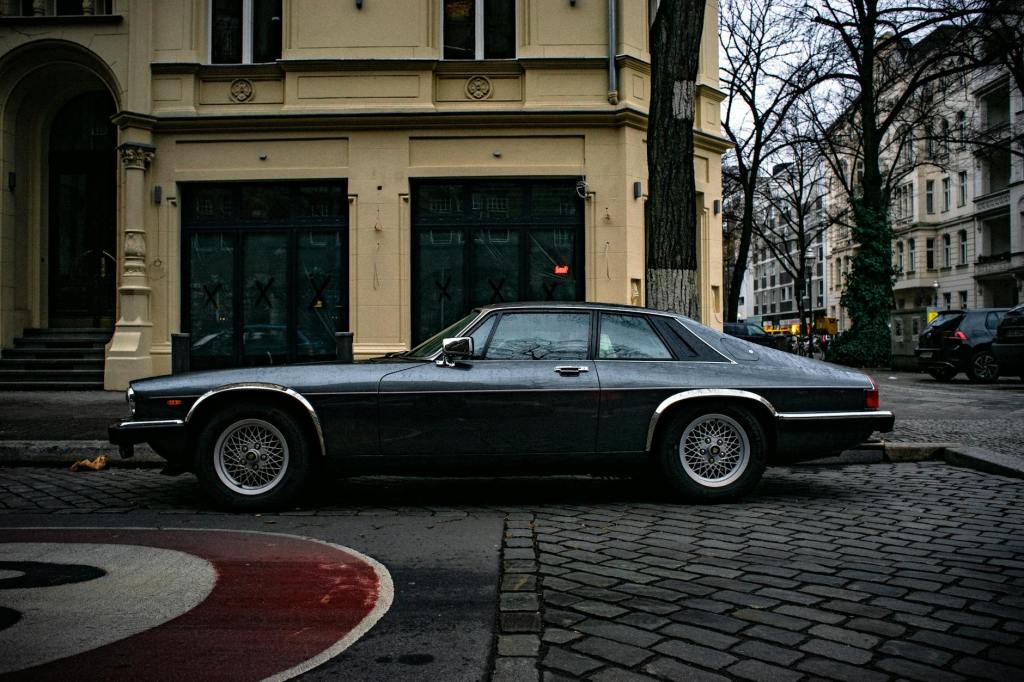
“Jaguar….. built the XJS to compete with luxury vehicles, such as the Aston Martin DBS, Jenson Interceptor and Mercedes SL.”
https://www.kwecars.com/a-brief-history-of-the-jaguar-xjs/
10 September 2025 is the day!
When we can wish a very Happy 50th Birthday to the XJ-S. Although reading some of the history surrounding the birth of the XJ-S*, it is hard to believe that the car had a total production run of 115,413 (according to Wiki) which lasted for over 21 years.
*In 1988 when Ford took over, the name was changed to XJS.
The XJ-S was a car clearly designed to compete in the GT market.
By the time we get to celebrate the birth of the car, there will no doubt have been many articles published, indeed one of the first out of the blocks was Classic and Sportscar with its February edition headlined “Jaguar’s Greatest GT“. A rather ironic headline considering the reception the car received at launch.
Originally born with a silky smooth V12, some later versions would be blessed with smaller capacity straight 6 engines which gave similar 0-60 times, but didn’t have the legs at higher speeds. Nonetheless, they played an important role in maintaining interest in the car.
Comments about its looks, and lack of “Jaguar Design Heritage” harking back to the E type, abounded. Yet by this time, the E Type had morphed from being a svelte sportscar to a more curvy GT with the early version of Jaguar’s V12 under its ample bonnet. The last production year for the E Type Series 3 was 1974.
The XJ-S was a car clearly designed to compete in the GT market.
Origins
It is possible that the E Type was a bit of an outlier in terms of Jaguar’s heritage, because it had been developed from a racing car (the 1955 D Type). This resulted in a semi monocoque/tube frame chassis. Thus, it inherited the dynamics linked to that car. Previous Jaguar sportscars like the XK120 to 150 range had been built on production chassis.
As an aside the C Type racing car which used the running gear of the XK120 was built on a bespoke lightweight space frame which would never be put into mass production.
The E Type was thus a child of the fifties and as such possibly lacked the refinements normally linked to Jaguar cars (think Mk 7 and Mk 10). It is in my opinion, possible that the E Type’s success diverted Jaguar from its core business. The old “Grace, Pace and Space” epithet could not really be applied to the E Type, as lovely as it was (although it was tried).
In the early sixties, recognising the E Type’s limitations, Jaguar’s thoughts had turned to a replacement sportscar as well as a new 4 seater GT. At the same time they were developing a replacement saloon for the Mk2/Mk10 range which would become the XJ6.
The new design was intended to be produced as a convertible and a coupe, on underpinnings like the E Type’s, known as Project XJ21. It was also to be produced as a four seat GT to run concurrently with the XJ6 which would be based on that model’s chassis and was known as Project XJ27.
From 1968 Jaguar was producing the XJ6 Saloon, initially with a 2.8-litre straight six and later increasing to 4.2 litres. This car was built to compete with the likes of BMW and Mercedes saloons. It also gained the V12 at a later date. The XJ-S shared its underpinnings with the XJ6.
Jaguar was by now, subsumed by British Motor Holdings (BMH) and in 1968 that organisation merged with Leyland Motor Corporation. It became clear to the BLMC senior management that Jaguar’s relatively low volume of sales could not sustain the production of a new sportscar, plus a new luxury saloon and a GT.
So, the Project XJ21 was canned.
I’m grateful to this video and AR Online for the background information to this period.
Alternatives
The late 60s and early seventies was a boom period for the automotive industry despite the 1973 fuel crisis. Not only had the hot hatchback arrived in the shape of the VW Golf GTi, but in the larger GT arena there was some serious competition.
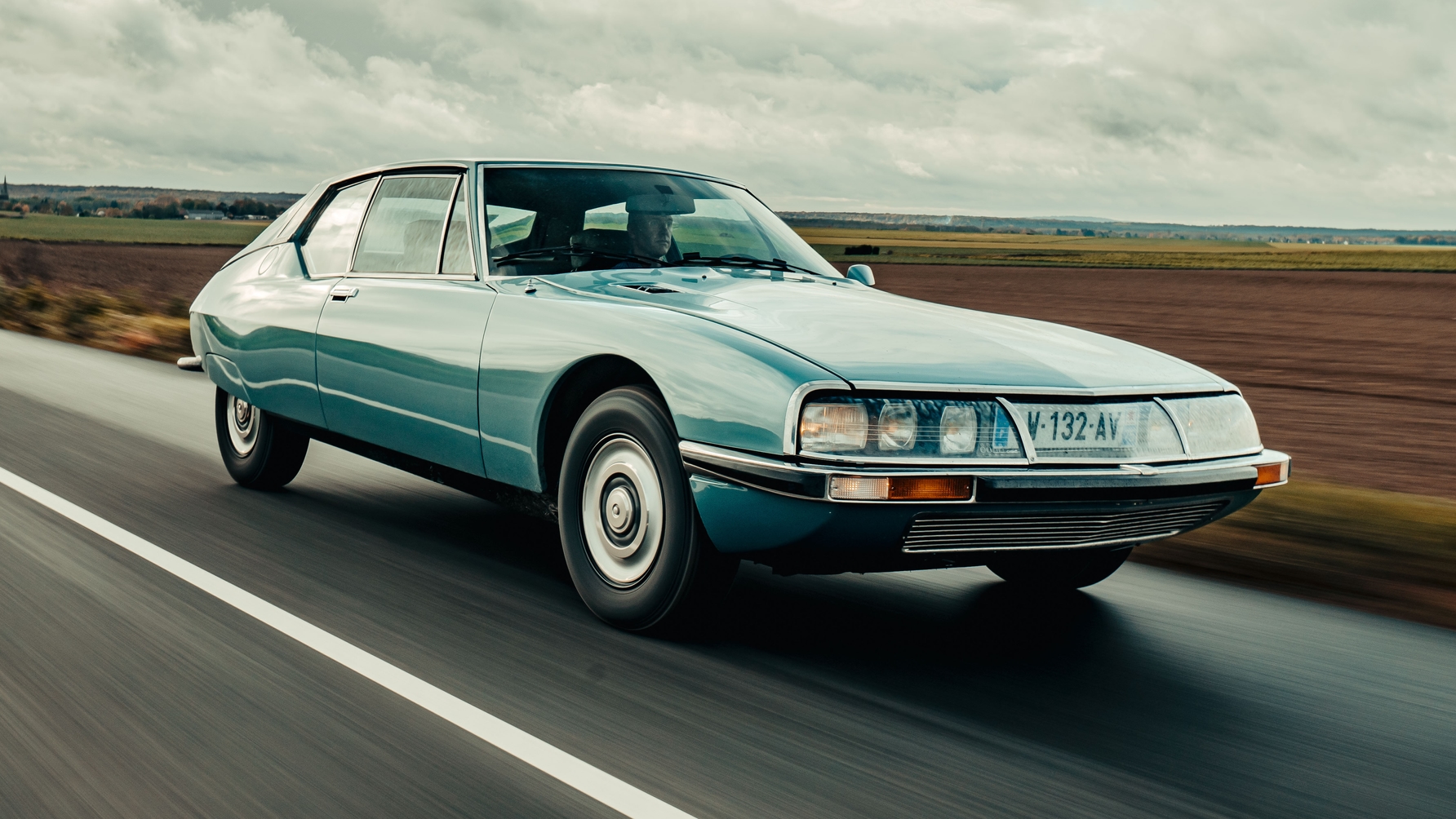
Cars like the BMW 528 (E12), followed in 1976 by the 630 (a closer XJ-S competitor); and earlier, Citroen had teamed up with Maserati to produce the technically interesting SM.
Challenges
“Jaguar’s timing was not good; the car was launched in the wake of a fuel crisis, and the market for a 5.3 litre V12 grand tourer was very small.”
http://www.classiccars.co.uk/cars/jaguar/xj_s/
The fuel crisis wasn’t the only challenge to face the XJ-S. Those buttresses behind the rear windows drew some serious criticism. Indeed the German authorities initially refused to give it type approval on the basis that the buttresses restricted the rear view. The late Malcolm Sayer designed the buttresses for both high speed stability and chassis stiffness.
The E Type was still the icon for Jaguar enthusiasts so a car of the size and proportions of the XJ-S didn’t sit well. Worth mentioning here, that many of them also disliked the bulkier Series 3 V12 E Type.
Jaguar pointed out that the XJ-S wasn’t intended as an E Type successor (as explained above).
Aston Martin had its DBS V8 from 1969; Ferrari had its 308 GTB (with buttresses); Mercedes had its 450 SL, the list goes on.
In 1973, even Ford got in on the act with their Capri V6 3100 RS. A homologation special designed to compete against BMW in the European Touring Car Championship. The ETCC, as it was known, would play a big part in the XJ-S story.
The price was also challenging; at the time of launch an XJ-S was approx. £9,000. The Mercedes was approx. £12,500, so in its market it represented value for money, but it was somewhat more expensive than the series 3 E Type.
Performance Comparisons
V12
With a 0-60 MPH time of 7.6 secs, it compared favourably with the Mercedes 450 SL which managed 0-62MPH in 9.3 secs; the Aston Martin DBS V8 would hit 60MPH in 5.8 secs; and, the Ferrari 308 GTB with a 0-100KPH time of 6.8 secs.
The originally quoted top speed was 142 mph, approximately 8 mph faster than the Mercedes.
So the car sat in the middle of a very competitive sector, and I think these performance figures put a better perspective on the price of the car.
Models*
There were three factory versions of the XJ-S;
The original Coupe from 1975; then in 1983 the XJ-S Cabriolet was introduced; followed in 1988 by the fully open Convertible when the cabriolet was dropped.
Ford took over Jaguar in 1988 and in 1992 they introduced a facelift version of the coupe and convertible.
1996 was the final year of production.
*The XJS Club provides a comprehensive Model History here: https://www.xjsclub.org/xjs-model-history
Engines
V12 HE
This engine, introduced in 1981, provided more power and better economy than the original V12 and would continue in it’s 5.3 litre form until 1992, when the capacity was increased to 6.0 litres. It would be used in Convertibles and Coupes alongside the straight six engines.
3.6 AJ6
The AJ6 initially appeared in 1983 in the cabriolet, and coupes then later in the convertibles, although by 1989 the engine volume had increased to 4.0 litres.
The engine compared favourably to the V12 having a 0-60 mph figure of 7.8 seconds and giving a top speed of 144 mph.
The same 4.0 litre engine powered versions of the XJ40 saloon until 1994.
The later 4.0 litre versions, post 1992, were of very similar performance. This AJ16 version went on to power the X300 XJ saloons (as did the V12).
Variations
There were high performance versions of the car built by Jaguar and independent tuners, but possibly the two most well known are the joint venture between Jaguar and Tom Walkinshaw Racing, and those cars built by Lister the independent tuning company.
TWR to XJR-S
“Racing improves the breed” is often attributed to Soichiro Honda. In the case of the XJ-S Tom Walkinshaw Racing produced a Group A version of the car which won the 1984 European Touring Car Championship.
(Worth mentioning here, that Bob Tullius’ Group 44 team in the USA had created the first racing XJ-S for the 1978 Trans Am Championship. He was later to move into IMSA GTP racing with a Jaguar powered prototype the XJR 5.)
“The Group A programme came about when in 1981 [John] Egan had then put forward some new ideas for an urgent marketing programme to re-establish Jaguar’s former niche identity, and part of that new focus could include the possibility of a motor-racing programme with TWR, using Jaguar’s V12 engined XJS coupe.”
TWR and Jaguar’s XJS; Allan Scott 2012; ISBN978-0-9876665-5-0
On the back of this success, between 1984 and 1988 TWR produced enhancements for the XJ-S. It was possible to buy an XJ-S and have it improved by TWR with various components, like bigger brakes, bespoke dampers, a full body kit, manual gearbox etc. The tuned 5.3 Litre engine produced 310 BHP. There was also a 6 Litre engine but these were few and far between.
“The TWR XJS vehicles started out as a standard XJS coupes or cabriolets, and were sent by dealers or existing owners to the TWR factory for heavy modification to the customer’s personal liking.”
https://classicregister.com/id-guides/info-guide-1984-1988-jaguar-xjs-twr-enhanced
Staying with Jaguar, TWR produced the Group C sportscars using the Jaguar V12 engine, increased to 7.0 litres, as the power unit, starting with the XJR-6 in 1985.
In 1988 the TWR team won the Le Mans 24hrs and it was this success that lead to the development of the TWR XJ-S road car known as the XJR-S. Unlike the earlier TWR iterations, these were factory vehicles produced by JaguarSport, a joint venture between TWR and Jaguar. This was the fastest production car produced by Jaguar until the XKR in 1996 (excluding the XJ220).
The first 100 versions of this car were known as Le Mans editions.
Initially high performance 5.3 litre versions were built until September 1989 when a bespoke 6.0 litre engine was installed. This engine produced 333 BHP and a top speed of 160 MPH. The car came with an aerodynamic bodykit, improved interior and was built by JaguarSport, a joint venture between Jaguar and TWR.
A total of 787 coupes and 50 Convertibles were built. *Wiki
Lister XJS
The Lister XJS was a more powerful version of the car. Its 7 litre V12 produced 496 BHP, a top speed of 176 mph and a 0-60 mph time of 4.8 secs. Approximately 90 where built.
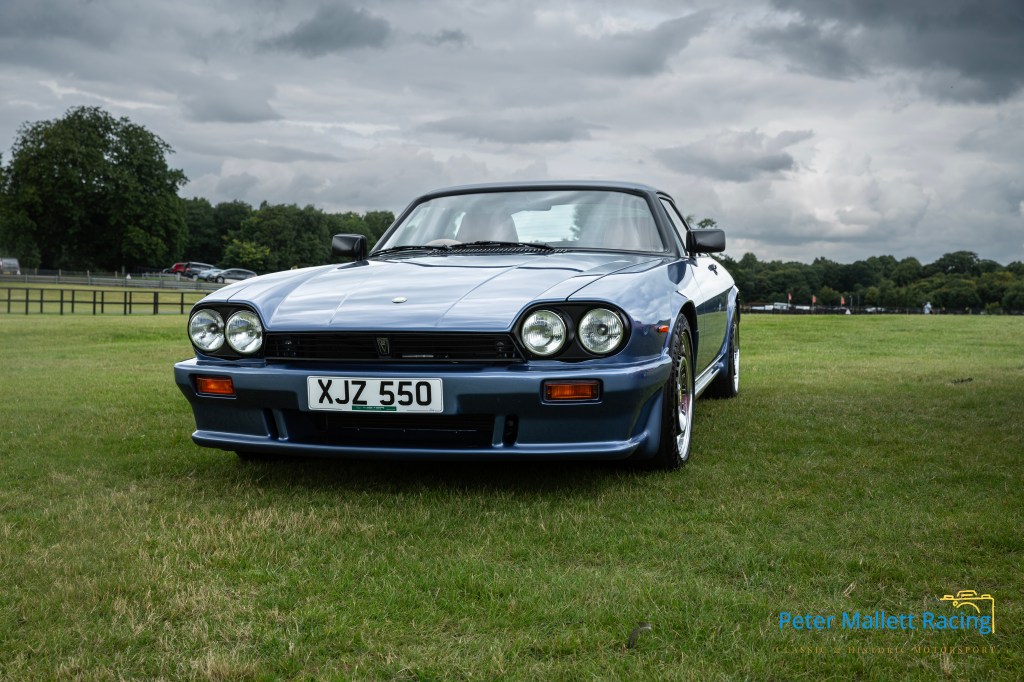
Lister XJ-S
Lynx
For those requiring a more practical XJ-S, Lynx produced the Eventer sportbrake.

The XJ-S Monaco
“the “Monaco” is an exclusive creation from Paul Bailey from PBB-Design (founded in Bristol 1987).”
https://www.gtplanet.net/forum/threads/jaguar-xjs-monaco-1993.327238/

The Monaco was produced in limited numbers in both convertible and coupe form.
And now: the Supercat
The major manufacturers like GM, Chrysler and Ford, spotted a market for “retro” styled vehicles, hence we have the the latest iterations of the Dodge Charger, the Ford Mustang and the Chevrolet Camaro.


Then there are the Restomods like Singer with the upgraded/reworked Porsche 911. Of course Porsche still makes the 911, or larger bulkier versions of it.
The TWR Supercat
The Supercat isn’t a restomod nor is it a new car. It’s a TWR, a mix of traditional and modern…………….
https://twrperformance.co.uk/supercat/
With a 5.6 litre supercharged V12 producing 660 BHP and 730 Nm of torque it seems to have impressed Top Gear.
EVO Magazine also seems equally enamoured:
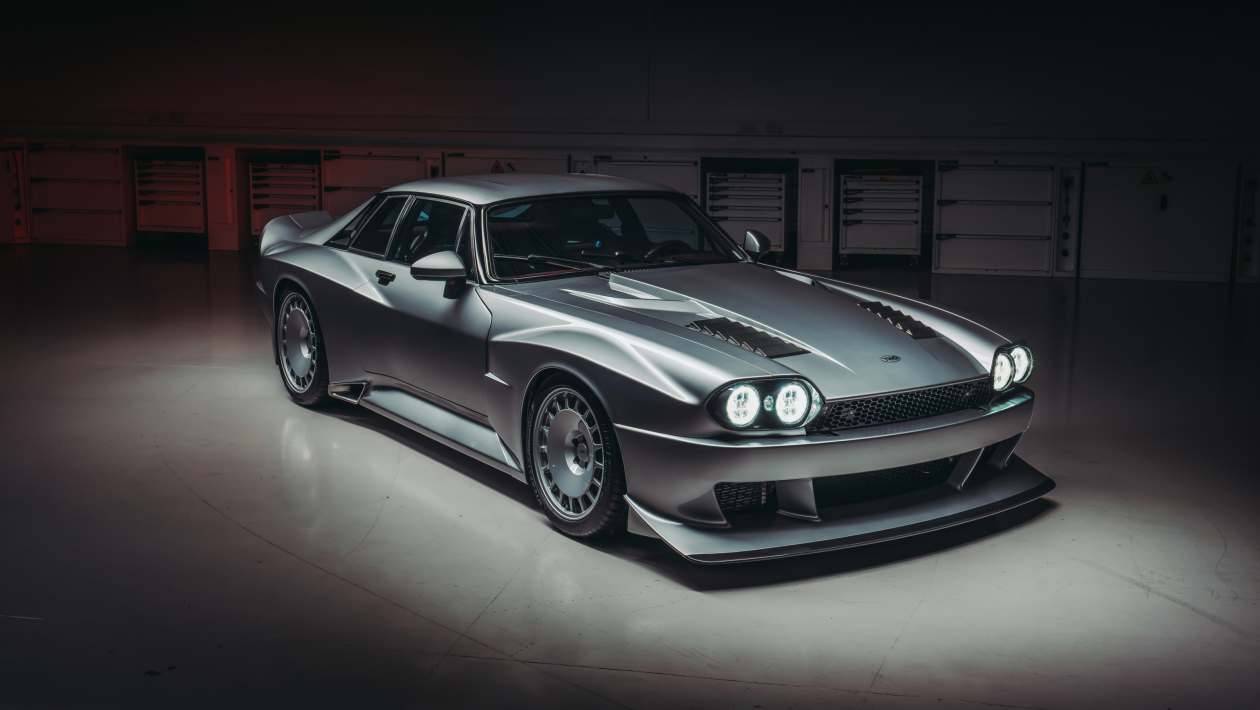
So, after 50 years the XJ-S may be having a renaissance, albeit as a high performance limited run vehicle.
And on that note:
Beauty, as they say, is in the eye of the beholder and I’ve been a fan since the XJ-S first appeared. There are still critics who bemoan those buttresses but frankly, I like them. It was these that made the car stand out for a (then) 20 year old petrolhead together with that sharp aerodynamic nose and sloping bonnet.
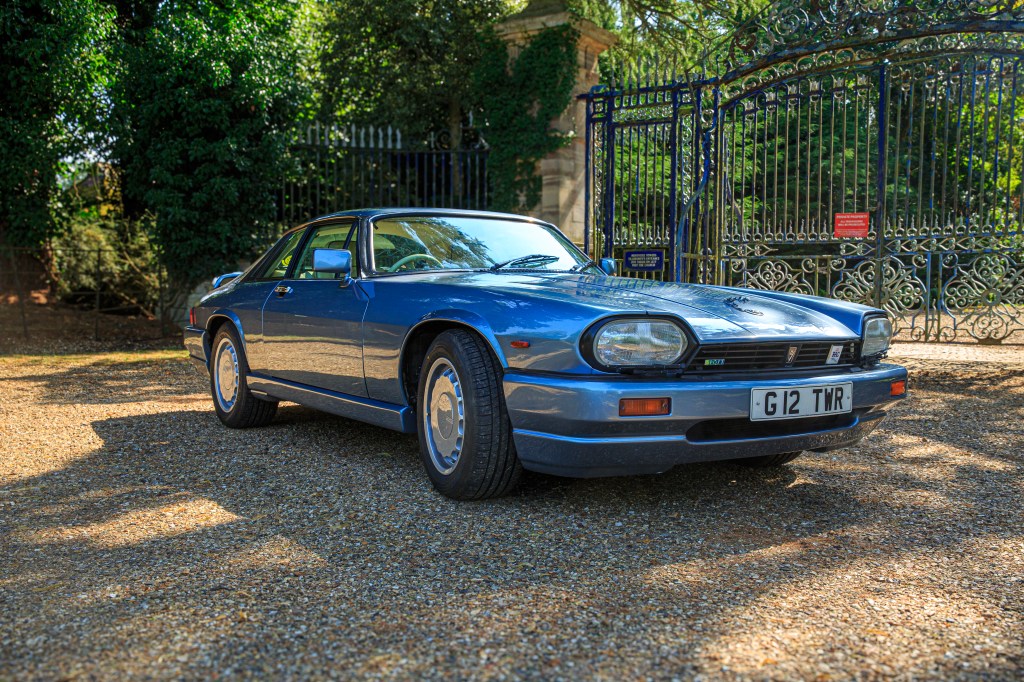
It took some time, mainly due to working commitments and the time taken up with my motor racing exploits, but in 2021, I bought this lovely blue 4.0l convertible. This took me to Le Mans and around the country to various JEC and XJS Club events.

But, not satisfied with the convertible, since August 2024 I am now the proud owner of an XJR-S coupe which so far, has been on local trips and a 600 mile tour of the Welsh countryside.
Driving
But by this time you’re revelling in the pleasure of simply holding that steering wheel.
You don’t buy an XJ-S for its fuel economy but driving one is quite relaxing, allowing you to forget about the wallet. Rather than sitting in the car it feels like it is wrapped around you. The cabin is admittedly small with quite a low headroom, but does not feel cramped.
Legroom in the front is more than adequate, whilst in the back it may as well be non existent. The sloping windscreen allows a lot of light into the cabin, so there is a feeling of “airiness” in the front. Those buttresses don’t hinder rearward vision.
Seats are comfortable and in the case of my facelift 4.0l they are electrically adjusted. The XJR-S seats are manually adjusted (electric motors add weight), but in both cases they offer excellent lateral support.
The 4.0l engine provides brisk acceleration whilst the V12 engine is silky smooth and as such, it acts more like a turbine than a reciprocating piston engine. Plant your foot in either car and the rear squats down as you accelerate to your desired speed. There is very little noise to annoy you until a little a bit of wind noise at around 60 MPH. But by this time you’re revelling in the pleasure of simply caressing that steering wheel and staring down that shapely bonnet.
On the subject of steering; the XJR-S has quite a quick rack so smaller movements are required to get around those bends. The “standard” steering on my 4.0l is a little less engaged but not so much that it doesn’t instill confidence.
Being quite heavy and automatic the car, in road trim, is not really designed to be thrown at apexes, and of course, those 0-60 MPH times are relatively meaningless today, unless you’ve had a total rebuild.
The dashboard layout does come in for some criticism, indeed the position of light switches etc, can be frustrating. But, having got used to it these issues fall away. And anyway, the wood and leather trim surrounding you distracts from any ergonomic issues.
To really enjoy an XJ-S it needs to be used on longer journeys on A roads and motorways. Cruising down to the South of France is always doable and it is not unknown for these cars to be seen at events like the Circuit Des Ramparts in Angouleme, or running across France and Belgium to (my particular favourite circuit) Spa Francorchamps. Wherever you go, you can be sure to arrive relaxed and ready to enjoy that cold beer.
Of course the design is 50 years old and these cars are now considered classic cars. That means they come with all the usual “old car” problems like rust, worn componentry etc. So, if you want to buy one, make sure you understand its history, and there are records of all major works carried out, and if possible, service records. Because a good one really is a joy to own and drive.
So, put your suitcases in that reasonably spacious boot, turn the ignition key and start that road trip.
Spares
Spares are sometimes difficult. However, the below suppliers are usually able to source the standard components and there are aftermarket companies who will either provide refurbished parts or acceptable modifications such as uprated/adjustable dampers.
The list below is not exhaustive and it is always worthwhile contacting the clubs for assistance/advice, but these are the suppliers who have assisted me in the past:



Clubs
There are a number of Jaguar Clubs in the UK who cater for the XJ-S, but only one dedicated to the car.
The two largest Jaguar Clubs are:
These two clubs cover all Jaguar models from the SS to the latest moderns. They have dedicated sections/registers for each model.
The XJS Club is the only club dedicated to the model.
50th Anniversary events:
The XJS Club is organising several celebratory events this year. It has also been invited to the Salon Prive concourse d’elegance at Blenheim Palace on 27 to 31 August.
There will be club displays at the Donington Historic Festival 2-4 May; Coventry Motofest 31 May and 1st June; The Oulton Park Gold Cup 25-27 July; The Silverstone Festival 22-24 August; and of course the aforementioned Salon Prive.
A summarised production timeline:
10 September 1975 The Launch of the XJ-S
July 1981 XJ-S HE introduced
June 1982 The XJ-S Cabriolet was introduced
1983 The 3.6l AJ6 engine arrived
1988 Jaguar produced the Convertible*
1988 The Le Mans win and the production of the XJR-S commenced
1991 The XJS Facelift arrives
1996 The XJS ceases production and is replaced by the XK8
*In the USA Hess & Eisenhardt produced a convertible under licence from Jaguar from 1986.
Acknowledgements/Sources
This post has drawn on various resources to help me with this personal assessment of the Jaguar XJ-S, here are some links to those resources:
The XJS Club; http://www.classiccars.co.uk/cars/jaguar/xj_s/; Evo Magazine; https://www.classicandsportscar.com/; https://www.topgear.com/
TWR and Jaguar’s XJS; Allan Scott 2012; ISBN978-0-9876665-5-0;
And finally
Do you own an XJ-S? How often do you drive it and what kind of trips do you undertake? Feel free to comment.

 Peter Mallett Racing
Leave a comment